Spa branding gives clients a clear idea of who your spa serves, what experience to expect, and why they might choose it. Your name, visual identity and writing all contribute, but the promise also needs to match booking, arrival and service. Start by making that promise specific enough for your team to deliver.
Build the brand in this order
- Identify the clients and occasions you want to serve.
- Choose a clear promise you can support with real details.
- Write a short brand brief before commissioning a logo.
- Apply the identity to everyday materials and messages.
- Ask clients what they understood, then fix the gaps.
You do not need to redesign everything at once. If people cannot understand the menu or find the booking instructions, resolve those problems before ordering new packaging. Use the brand brief to decide which materials need attention first.
Start with the client and the choice they face
Describe a specific situation in which someone would consider your spa. A nearby worker booking during a break may have different priorities from a guest arranging a long visit with a friend. Treat these as research questions, rather than assuming age or income tells you everything about a client.
The SBA's market research guidance suggests examining demand, location, competing options and pricing, and asking consumers directly about their experience. For a spa, a useful starting point is to review common booking questions, interview willing clients and compare how nearby alternatives describe their services.
Ask what prompted the visit, what almost stopped the booking, and which details made the choice easier. Avoid leading questions such as “Do you love our luxurious atmosphere?” The customer satisfaction survey guide offers questions you can adapt.
Record the actual words clients use. If they repeatedly mention clear explanations and an unhurried welcome, those are more useful clues than a list of fashionable adjectives.
Write a one-page spa brand brief
Use this working brief to give your designer, writer and team the same starting point. Keep it alongside your spa business plan so the brand reflects the business you intend to run.
| Part of the brief | What to write |
|---|---|
| Main audience | The clients and booking occasions you want to serve |
| Client priority | What those clients need help understanding or arranging |
| Promise | One plain sentence describing the experience you offer |
| Supporting details | Observable ways you deliver that promise |
| Tone | How staff and written messages should sound |
| Boundaries | Claims, imagery and language you will avoid |
For a hypothetical neighborhood spa, the promise might be: “Straightforward booking and a calm, personal welcome.” Supporting details could include clear service durations, arrival instructions and a consistent reception greeting. These are example choices, not claims about Smart Spa Business or a real client's results.
Translate values into behaviors. “We respect clients' time” should prompt decisions about appointment information and communication when a schedule changes. A value that never affects a decision is unlikely to help a new team member.
Keep longer-term ambitions separate from present claims. Your materials should describe what clients can expect now. For medical spas, avoid treating brand language as evidence of a treatment outcome or professional credential.
What is a good brand name for a spa?
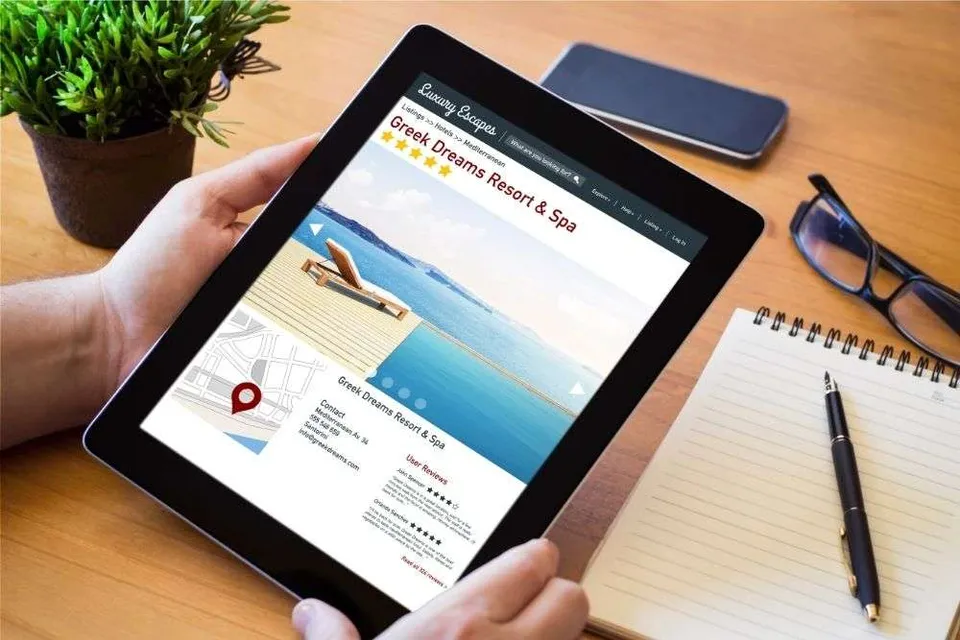
A useful name is understandable, memorable enough to repeat and suitable for the services you actually offer. A name can feel elegant in a mood board yet be difficult to pronounce on the telephone or type into a search box.
Create a shortlist and ask people unfamiliar with the business to read each name aloud. Then ask what kind of business they expect it to be. Listen for confusion rather than asking them to choose the “best” name without context.
Check the practical uses: a small sign, a booking message, an email address and a social profile. Research business-name and trademark availability in the markets you intend to serve before investing in a name; finding an available domain does not settle those questions.
If you are updating an established spa, first identify what clients already recognize. Decide whether the problem is the name itself or inconsistent use of it. A clearer descriptor or better menu may address the confusion without a complete rename.
Logo branding: make the identity work in use
Ask for a visual system that works beyond a large logo on a presentation slide. You need readable type, usable color combinations and versions of the logo that remain recognizable at small sizes and on plain backgrounds.
Test a draft identity on a booking page, service menu, appointment reminder and reception sign. Give the designer real sample text, including your longest service name. This reveals spacing and readability problems that a short placeholder headline can hide.
For digital materials, the W3C's design guidance recommends sufficient contrast, clear navigation and information that does not rely on color alone. Apply those principles to prices, links, form labels and booking instructions. A subtle palette still needs readable text.
Create a small reference sheet with approved logo versions, colors, type choices and image examples. Include practical writing examples: how to describe a service, explain a price and answer a common question. The aim is to help staff produce consistent materials without asking the owner about every detail.
Make the experience match the promise
Walk through the business as a first-time client. Read the service descriptions, attempt a booking, find the entrance and review the arrival information. Note where the experience feels different from the impression your marketing creates.
If your message emphasizes a calm visit, consider what clients hear and see at reception. If space is tight, these small spa design ideas can help you review storage, privacy and visual clutter without starting with a shopping list.
Brief the team using situations rather than slogans. Practice welcoming a new client, explaining an unfamiliar service and responding when an appointment is delayed. Use the spa management guide to support regular feedback and clear responsibilities.
Assign an owner to each change. Updating the website description will not solve a confusing telephone explanation unless the person answering calls has the same information.
Check what clients understand
Show a menu or booking page to someone who has not seen it before. Ask who they think it is for, what they would book, and what information they still need. Repeat that exercise after making changes.
Review recurring questions and mismatched expectations alongside bookings. Those observations can reveal where the message needs work, but they do not prove that a new logo caused a change in revenue.
Choose one improvement to make next: a clearer service description, a consistent name, or more useful arrival instructions. Once the message and experience agree, use the spa marketing ideas guide to decide where to introduce that message to prospective clients.